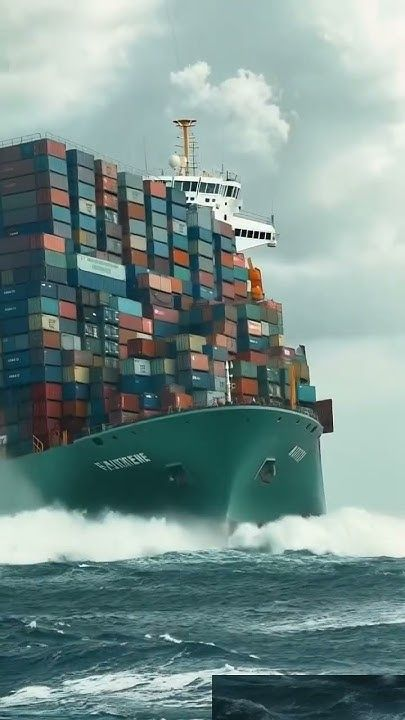
As of March 2026, the world’s most vital maritime arteries—the Strait of Hormuz and the Red Sea—have transformed. For the thousands of seafarers currently transiting these waters, the “business as usual” approach of the past decade has been replaced by a high-stakes game of digital hide-and-seek.
At Pacific Merchant Navy, we believe the seafarers of tomorrow must be more than just navigators; they must be strategic experts. Here is what is happening on the front lines of global trade right now.
📡 1. The Rise of the “Electronic Blackout”
In response to heightened drone and missile threats, many vessels have entered what the industry calls Electronic Blackout Zones.
- AIS Spoofing & Dark Transit: Ships are increasingly turning off their Automatic Identification System (AIS) or using “spoofing” techniques to broadcast false locations.
- The “Silent” Life: For the crew, this means a total communication blackout. Families in India often wait days for a WhatsApp message as ships minimize their electronic footprint to avoid detection by hostile actors.
🛡️ 2. The “Fourth Arm of Defence” in Action
With nearly 20% of the world’s oil and 30% of its LNG currently facing transit risks, the Indian Navy’s Operation Sankalp has become the gold standard for protection.
- Naval Escorts: Indian-flagged merchant vessels are now frequently escorted by destroyers and frigates.
- The Hazard Bonus: In March 2026, sailing through these “War Risk Areas” can result in a 100% basic pay bonus, making it a high-risk but high-reward period for professional mariners.
🤖 3. AI: The New Bridge Partner
While the physical environment is tense, technology is providing a “superhuman” edge.
- Collision Avoidance AI: New AI-driven navigation systems (like SEA.AI) are now being used to detect “grey zone” threats—unmarked small crafts or floating obstacles—that traditional radar might miss.
- Route Optimization: Instead of the standard Suez route, many companies are using AI to calculate the most fuel-efficient “Cape of Good Hope” diversion, adding 4,000 miles but ensuring 100% safety.
⚓ 4. Why 2026 Training is Different
At Pacific Marine Academy, we are updating our curriculum to reflect this new reality. Being a cadet in 2026 means mastering:
- Cyber-Resilience: Protecting ship systems from GPS jamming.
- Mental Toughness: Managing the psychological stress of “combat fatigue” and long port delays.
- Advanced Security: Deep-diving into the ISPS Code (Level 3) protocols.
- Enroll Today in our 2026 Foundation Batch and Take the First Step toward the Captain’s Chair. For more details visit our website https://pacificmarineacademy.com/.