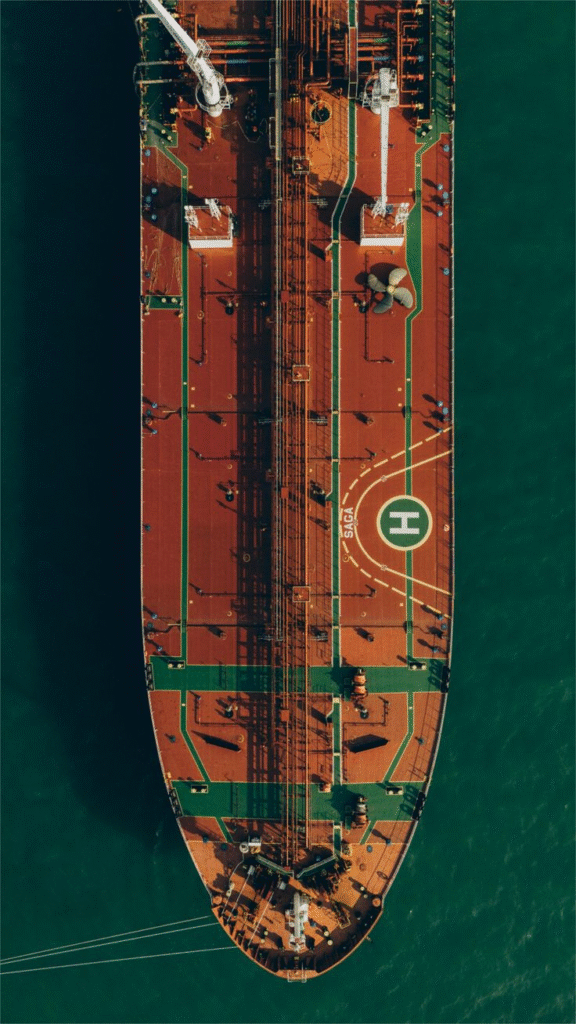
Historically, the Merchant Navy has been the lifeline of nations during war. Without merchant ships,fuel, food, and military equipment cannot reach the front lines.
- World War II Legacy: More than 30,000 merchant seafarers lost their lives keeping supply chains open.
- Modern Role: In 2026, merchant vessels remain “non-combatants” under international law, but they are protected by naval missions like Operation Sankalp. This Indian Navy operation provides direct escorts to Indian-flagged vessels in volatile zones.
📡 2. “Grey Zone” Warfare in 2026
Modern maritime conflict isn’t just about torpedoes; it’s about technology.
- GPS Jamming & AIS Spoofing: In high-risk zones, ships often experience “GNSS interference,” making digital charts unreliable. Crews must return to traditional radar and visual navigation.
- “Going Dark”: To avoid detection by hostile drones or missiles, some ships disable their Automatic Identification System (AIS), a practice known as going dark.
- Cyber Resilience: As ships become more automated, the threat of a “cyber-attack” on a ship’s steering or engine system during a conflict is a major focus for 2026 training.
💰 3. Working in a War Zone: Benefits & Risks
Sailing into a designated “War Risk Area” (as defined by the IBF or Lloyd’s) comes with strict protocols and significantly higher pay.
- Double Basic Pay: Seafarers often receive a 100% bonus on their basic salary for every day the ship is within a high-risk zone.
- Death & Disability Compensation: Doubled insurance payouts are mandatory for crews in these regions.
- The Right to Refuse: Under the Maritime Labour Convention (MLC), a seafarer has the legal right to refuse to sail into a war zone and must be repatriated at the company’s expense if they choose to leave.
⚓ 4. Security Protocols (MARSEC Levels)
Ships use the ISPS Code (International Ship and Port Facility Security) to manage threats:
- Level 1 (Normal): Standard security.
- Level 2 (Heightened): Increased patrolling and restricted access points.
- Level 3 (Exceptional): The highest level, triggered when an attack is “probable or imminent.” At this level, cargo operations may stop, and the ship may be ordered to leave the port immediately under naval guidance
Enroll Today in our 2026 Foundation Batch and Take the First Step toward the Captain’s Chair. For more details visit our website https://pacificmarineacademy.com/.